Supporting Autistic Well-being
This page lists trusted sources and tools created by autistic professionals, advocates, and individuals to support autistic mental health and well-being
Tools
7 Neurodivergent Interview Tips to Confidently Discuss Your Strengths
by Amy Sippl
May 14, 2024
lifeskillsadvocate.com
Read More
Job interviews can be especially challenging for neurodivergent candidates, who may find traditional expectations, such as maintaining eye contact, engaging in small talk, answering vague questions, and meeting sensory demands, overwhelming. With the right preparation and strategies, however, interviews can also become opportunities to highlight unique strengths and self-advocacy skills. This guide outlines seven practical tips to help neurodivergent job seekers feel more confident and prepared. These include choosing the right time and context to disclose (if you wish), framing your neurodivergence as a strength with clear examples, preparing responses and using notes to stay focused, knowing your legal rights regarding accommodations, seeking out inclusive and supportive employers, practicing effective communication strategies such as the STAR method, and following up professionally after the interview. By approaching the process with preparation and self-awareness, neurodivergent candidates can communicate their value more clearly, reduce stress, and identify workplaces where they are more likely to thrive.

7 Interview Tips for Neurodivergent Job Seekers
by Eileen Hoenigman Meyer
July 16, 2024
Higher Ed Jobs
Read More
Job interviews can feel overwhelming for neurodivergent candidates due to sensory demands, social expectations, and uncertainty. Preparation helps make the process more manageable. Key strategies include: reframing interviews as learning opportunities, considering if and how to disclose neurodivergence, looking for signs of inclusive workplace culture, practicing self-awareness, rehearsing answers, and using visual aids. Reflecting after each interview builds confidence and growth, regardless of the outcome.
Autonomy Support Toolkit for Support Staff and Caregivers
by Dr Jackie Ryan and colleagues
"Autonomy is a fundamental human right regardless of disability and a key component of well-being. Autonomy refers to feeling in control of one's life, making choices, and acting voluntarily. Autistic people with and without intellectual disability (ID) experience decreased autonomy, perhaps due to having fewer opportunities and/or less support to act volitionally than others. [...]
This toolkit is to provide support staff and caregivers with information about the autistic person they are supporting so they can provide the best help for the autistic person to have autonomy."

LGBTQ2S+ Toolkit, Celebrating Neurodiversity, Gender Diversity and the Community
By Jaclyn Kozak, AIDE Canada
This toolkit addresses LGBTQ2S+ awareness, visibility, and dialogue for individuals with neurodiversity and for their caregivers and families. Gender Identity, sexual freedom, and the rights of neurodiverse people are important for growing and thriving. All people have the right to self-determination meaning, in this case, the right to engage in mutual relationships that are consensual and respectful and, importantly, the right to be informed about our bodies.
Transitioning to Adulthood: Creating your Village
By Fakhri Shafai, PhD, M.Ed. & Christina Devlin, BA (Hons), RSSW, Autistic Self-Advocate
This toolkit is designed for autistic teens and young adults navigating life after high school. It explains why no one is meant to be completely independent and how to build a supportive network. The toolkit offers concrete Canadian resources, tools, and webinars to help with education, work and housing

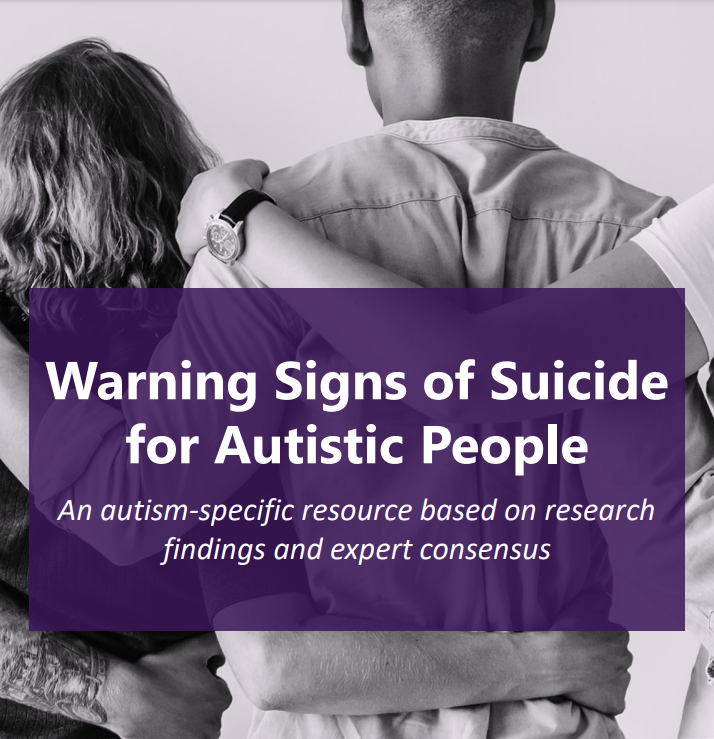
Warning Signs of Suicide for Autistic People – Toolkit
This resource discusses the warning signs that an autistic individual is engaging in suicidal thoughts or behaviours. It was developed by a group of experts, researchers and clinicians, and aims to show how these warning signs can look different from the general population.
Research 101: Collaborating in Participatory Autism Research
by Dr. Jackie Ryan and colleagues
Research 101 is a training program created by and for autistic people. It helps autistic people who aren’t professional researchers learn more about how research works. The goal is to make it easier for autistic people to work with research teams, share their ideas, and take part in projects that affect their community.
By building these skills, Research 101 supports what’s called participatory research — when researchers and community members work together as equal partners.
Research 101: Collaborating in Participatory Autism Research can be co-led by a main researcher and, whenever possible, an autistic researcher.
The training manual and slides are flexible tools — you can use them as they are or adapt them to fit your group’s needs. Adding your own examples and experiences can make the sessions more meaningful. Speaker notes are included with each slide and can be adjusted as needed.
Thriving and Autism: Tips, Tricks and Strategies for Success
By Dr. Heather M. Brown, PhD, MEd
This is a workshop presented by Dr. Brown, where she presents findings from research conducted primarily by autistic researchers themselves, in which they examined the constructs of well-being and quality of life for autistic individuals. By drawing on the lessons from the neurodiversity movement and personal experience, she will also present tips, tools, and strategies for learning to Thrive. The importance of (a) presumed competence and autonomy; (b) sparks, flow, and special interests; and (c) positive identity, belonging, and connection will specifically be considered.