
Project Aims
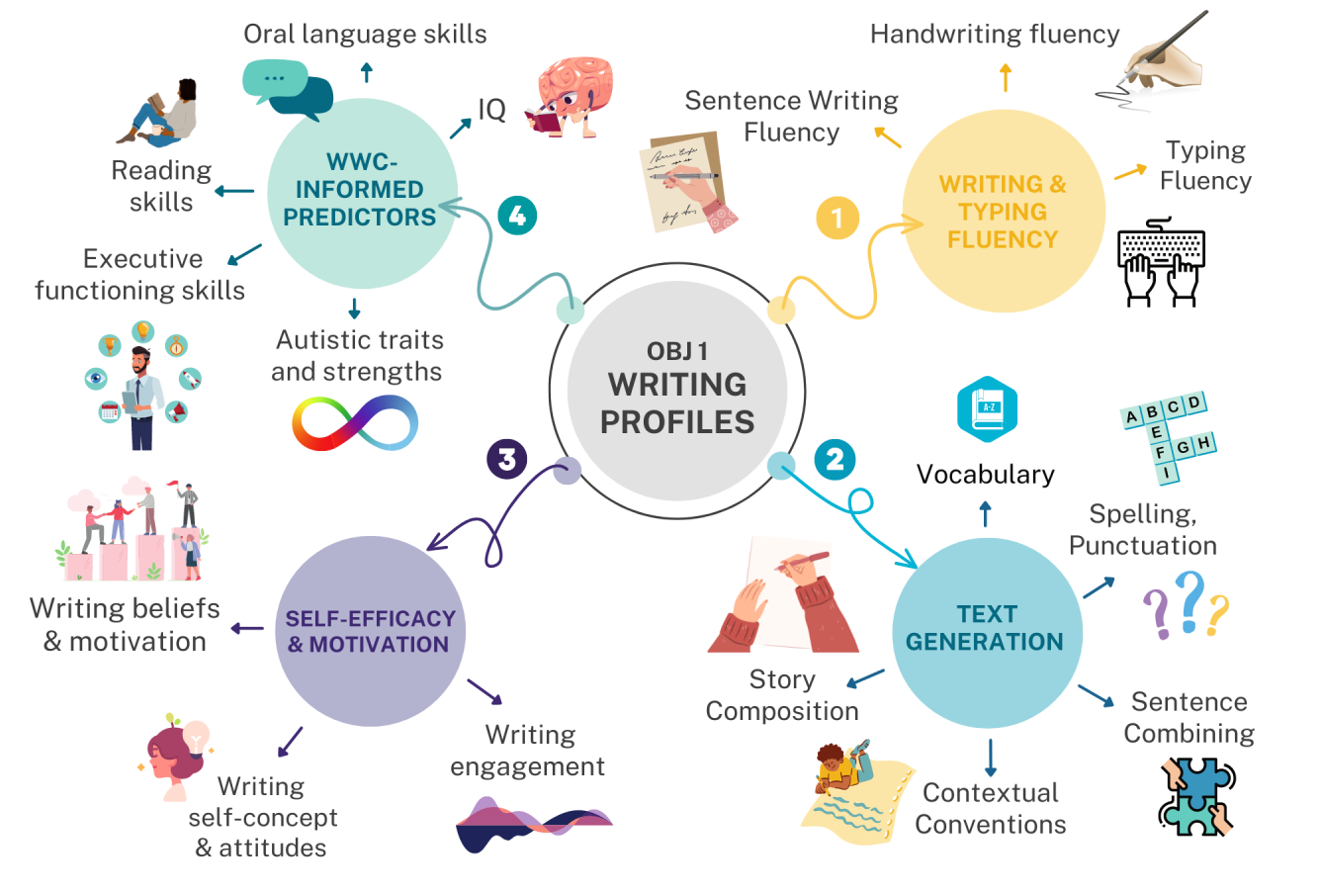
Create Writing Profiles
Identify writing subgroups among our sample of autistic adolescent writers and explore important relationships among the numerous factors that support the development of writing skills
(See graphic below)
Capture Firsthand Accounts
Across a series of interviews, we will ask autistic teens to reflect on their writing processes, writing strategies, and personal writing successes
Autistic Empowerment
This project aims to empower autistic individuals in two main ways:
Autistic Community Partners (ACP)
...by recruiting
three autistic adults and two autistic adolescents to act as co-researchers on this project
ACPs will help shape our research study from design to publication

While also building new competencies and professional skills
Digital Storytelling Workshops
...by providing ten autistic teens the opportunity to develop digital storytelling skills
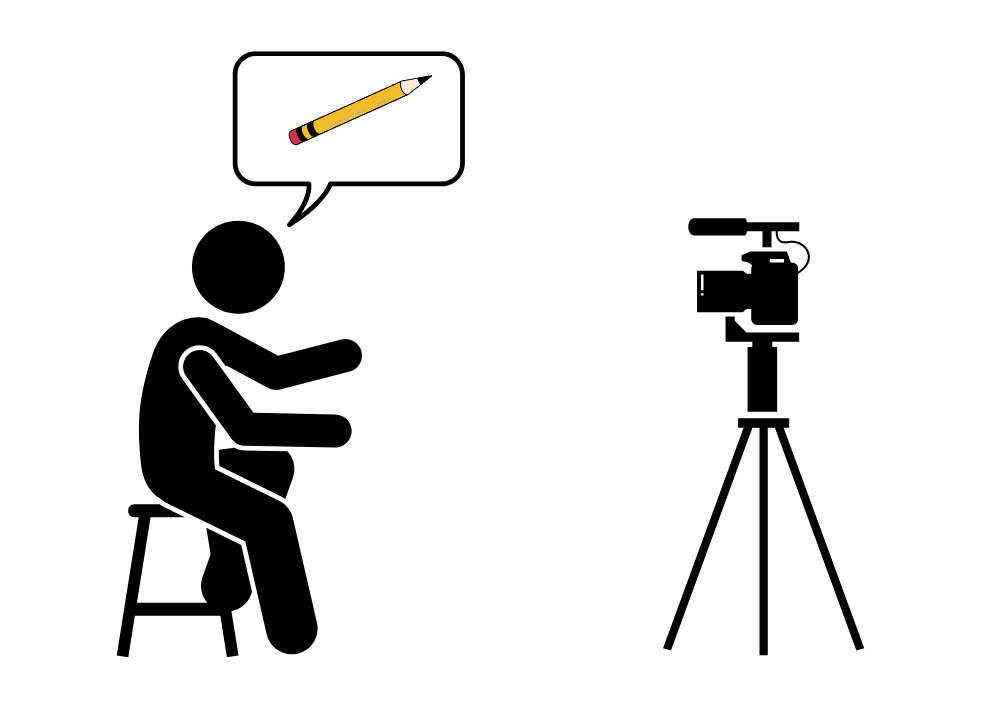
A small group of autistic teens will create and share short digital stories about their experiences as writers. These stories will help create new understandings of neurodivergence and challenge common assumptions about autistic individuals.
By actively participating in the creation process of digital storytelling, these autistic teens will develop stronger 21st century literacy skills (i.e., digital, global, technological, visual and information literacy skills) and enhanced communication skills as they work together to organize their ideas, express opinions, share feedback, and ultimately construct meaningful digital narratives.
Our Digital Stories aim to:
1. Dispel myths about autistic writers
2. Describe specific challenges they faced in educational settings and how they successfully overcame them
3. Showcase autistic strengths
4. Offer recommendations and strategies to other autistic youth on strategies to develop and refine their writing skills
The project takes a community-driven approach in response to calls from the autistic community and professional organizations.
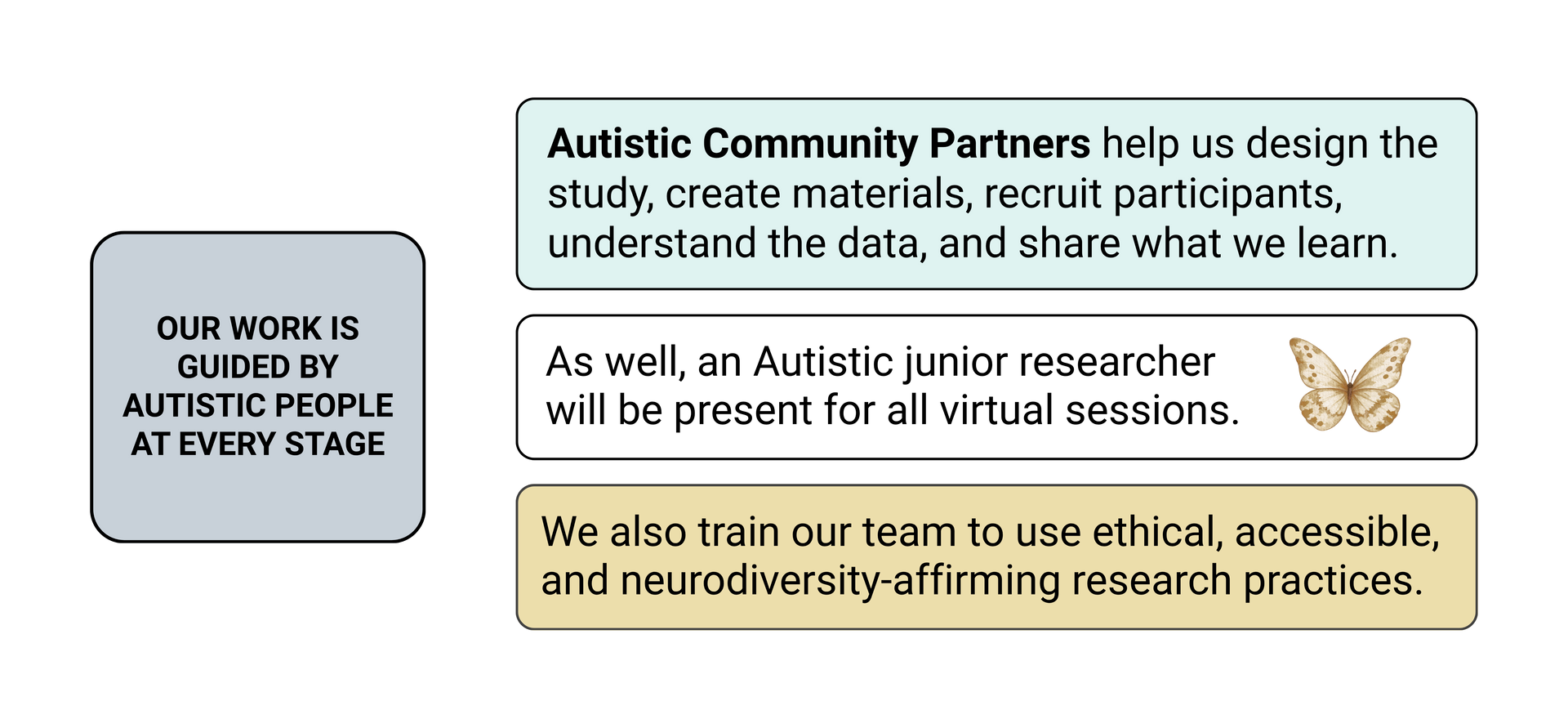
Autistic perspectives will be incorporated throughout the research process, ensuring:

The project involves partnerships with multiple institutions of higher education across Canada and the United States, bringing together expertise in...

Heather M. Brown, PhD
Associate Professor

Matthew C. Zajic, PhD
Assistant Professor

Kristie Asaro-Saddler, PhD
Associate Professor

Pamela Filiatrault-Veilleux, PhD
Assistant Professor
Vivian Lee, PhD
Assistant Professor

Narmene Hamsho, PhD
Assistant Professor

References
- Graham S. A Revised Writer(s)-Within-Community Model of Writing. Educational Psychologist 2018;53(4):258-79 doi:10.1080/00461520.2018.1481406[published Online First: Epub Date]|.
- Bazerman C, Applebee AN, Berninger VW, et al. The lifespan development of writing: National Council of Teachers of English Urbana, IL, 2018.
- Finnegan E, Accardo AL. Written Expression in Individuals with Autism Spectrum Disorder: A Meta- Analysis. Journal of Autism and Developmental Disorders 2018;48(3):868-82 doi:10.1007/s10803-017-3385-9[published Online First: Epub Date]|.
- Zajic MC, Wilson SE. Writing research involving children with autism spectrum disorder without a co-occurring intellectual disability: A systematic review using a language domains and mediational systems framework. Research in Autism Spectrum Disorders 2020;70:101471 doi:10.1016/j.rasd.2019.101471[published Online First: Epub Date] .
- Hacking I. Autistic autobiography. Philosophical Transactions of the Royal Society B: Biological Sciences 2009;364(1522):1467-73
- Kim SY, Bottema-Beutel K. Negotiation of Individual and Collective Identities in the Online Discourse of Autistic Adults. Autism in Adulthood 2019;1(1):69-78 doi: 10.1089/aut.2018.0029[published Online First: Epub Date]|.
- Van Goidsenhoven L. ‘Autie-Biographies’: Life Writing Genres and Strategies from an Autistic Perspective. Journal of Language, Literature and Culture 2017;64(2):79-95 doi:10.1080/20512856.2017.1348054[published Online First: Epub Date]|.
- Zajic MC, Asaro-Saddler K. Issue Editors Foreword Supporting Writers Across the Autism Spectrum. Topics in Language Disorders April/June 2019;39(2):123-27